From Protest to Protection
Community activism has always been more than a moment. it is a movement, a practice, and a long-term investment in the wellbeing of people. Across neighborhoods, cities, and nations, what begins as outrage over injustice can transform into sustained systems of care, safety, and accountability. Activism is not just about marching in the streets; it is about creating structures that endure long after banners are taken down.
CULTURAL DEFENDERS AND COMMUNITY PROTECTORS
11/12/20252 min read

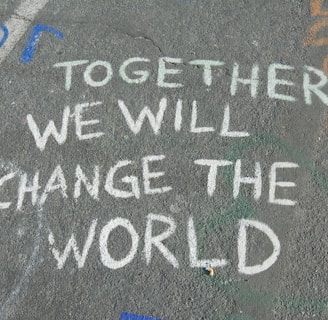
Turning Outrage into Action
The energy of protest carries power. It demands attention, disrupts complacency, and reminds systems that communities will not be ignored. Yet, some of the most transformative work occurs when that energy is redirected into creation rather than confrontation. Neighborhood leaders, organizers, and everyday residents have taken moments of injustice and built lasting solutions: community clinics, mutual aid networks, restorative justice programs, and local task forces that address systemic failures at the grassroots level. The Black Panther Party’s free breakfast programs, NYC mutual aid networks during COVID-19, or Chicago’s CeaseFire violence prevention program all show how community members can take the lead in serving and protecting their community.
Building Systems, Not Just Moments
True activism transforms temporary protest into permanent infrastructure. Community-based organizations emerge to provide resources where institutions fail: Modern grassroots programs like Detroit’s Eastside Community Network, LA’s Homeboy Industries, or Baltimore’s Safe Streets have stepped up to address food security, legal aid, mental health support, and youth mentorship. These programs are the scaffolding that holds communities together in the face of systemic neglect. By turning protest energy into enduring care, activists shift the narrative: justice is not just opposition; it is creation. It is designing neighborhoods and networks that empower residents to survive, thrive, and reclaim their right to safety and opportunity.
Activism is often imagined as the work of charismatic leaders, but the backbone of these movements is ordinary people. Parents, students, local business owners, and volunteers quietly sustain initiatives that address needs before they become crises. Through these efforts, collective responsibility becomes a habit. Communities learn to care for themselves in ways that complement or even replace external systems that have historically failed them.
Solidarity, Self-Determination, and Love
What distinguishes enduring activism is its foundation in solidarity, self-determination, and love for the people. Movements grounded in compassion rather than outrage alone tend to last longer. They prioritize relationships, knowledge-sharing, and the creation of institutions that persist across generations. By embedding care into the fabric of activism, these initiatives become more than reactionary; they become preventative. Communities no longer wait for change to be handed down — they build it themselves.
The evolution from protest to protection shows that justice is not a moment but a process. Each march, rally, or public demonstration carries the seeds of infrastructure. What starts as visible resistance transforms into invisible networks of support that hold neighborhoods together and empower residents. Activism at its best is both loud and quiet, public and private, urgent and enduring. It is the work of building, sustaining, and protecting a community from within.


Sign Up for Text Updates
Get text messages sent directly to your phone to stay up-to-date on the Fellowship's life-saving work around the world.


Subscribe to our Newsletter
Stay informed about issues affecting Africa, the African descendant nation, and Africa American relations, receive Daily Devotional and more
Who We Are
Who We Help
Latest News
Learn
Act
Ways to Give
Also of interest
@ 2025 International Fellowship of Black Americans and Africans ®
1705 East Joppa Rd
Parkville MD 21234
info@ifbaa.com
1-855-984-3222
A 501(c)(3) tax-exempt, non-profit organization.
The Fellowship's tax identification number is 39-4751944
Privacy Policy |